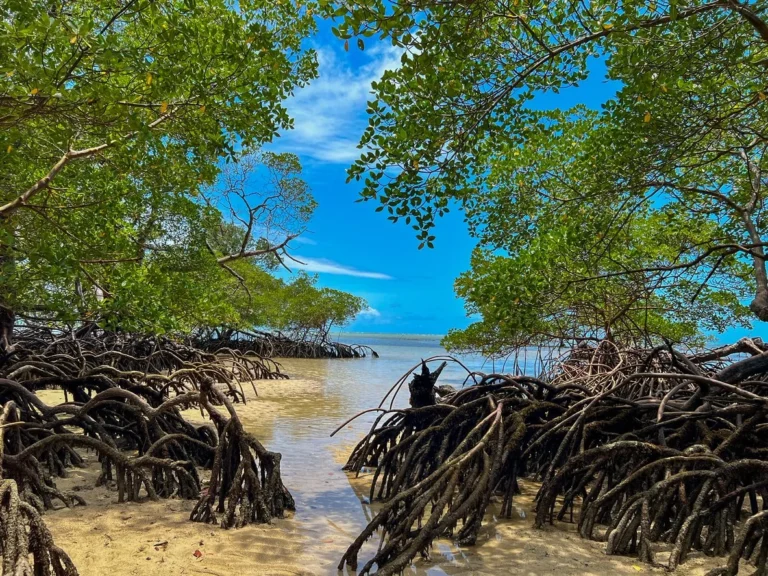
India’s coastline stretching over 11,098.81-kilometre is not just a geographical boundary; it is a living, breathing ecosystem that sustains millions of lives, nurtures biodiversity, and anchors the nation’s maritime identity. Coastal and marine ecosystems are dynamic natural environments that include mangroves, coral reefs, estuaries, beaches, lagoons, and the vast continental shelf. These ecosystems act as nature’s protective shield, defending coastal communities from storms and erosion while sustaining livelihoods through fisheries, trade, tourism, and cultural heritage.
Why Coastal and Marine Ecosystems Matter
Healthy coastal ecosystems are critical to both ecological balance and human well-being. They regulate climate, support fisheries, maintain water quality, and provide breeding grounds for countless marine species. Mangroves, seagrass beds, and coral reefs serve as vital carbon sinks, mitigating climate change impacts, while also acting as natural buffers against cyclones, tsunamis, and rising sea levels. Their preservation is not merely an environmental concern it is essential for ensuring food security, economic growth, and national security.
At C.A.R.c.E., we believe that safeguarding coastal and marine ecosystems requires a harmonious blend of science, community participation, and sustainable governance. Our work integrates research, education, advocacy, and grassroots action to protect these fragile ecosystems while empowering the communities that depend on them.
The ocean connects us all. By protecting our coastal and marine ecosystems, we are not only preserving nature but also ensuring a secure and prosperous future for generations to come. At C.A.R.c.E., we envision resilient coasts, thriving communities, and a sustainable blue future built on knowledge, action, and collaboration.